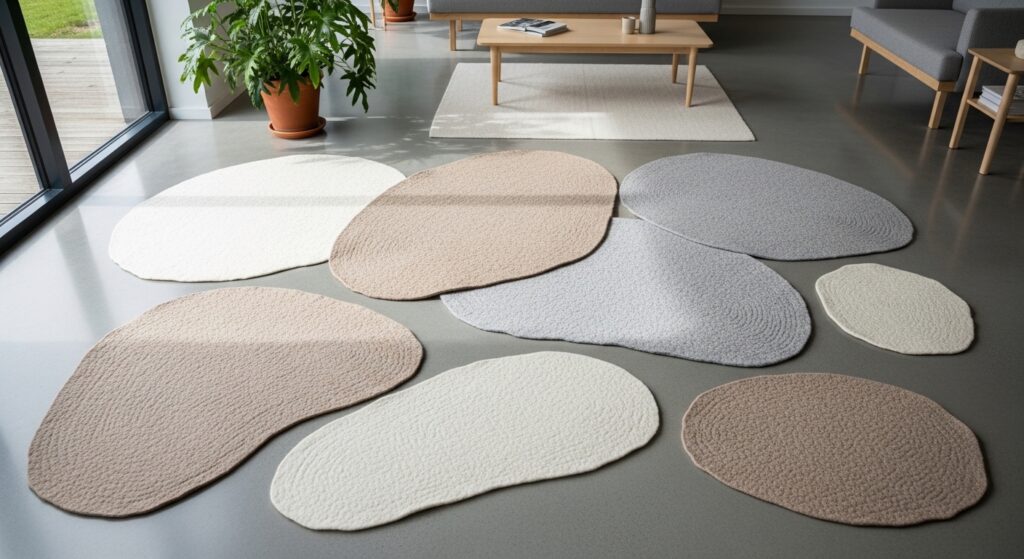
The first thing you notice when stepping into a thoughtfully designed space isn’t always the furniture or the lighting. Sometimes, it’s the quiet comfort under your feet. In a Berlin co-working studio renovated from a 19th-century warehouse, entrepreneurs gather daily to build startups that may shape the future. Yet beneath their laptops and ambition lies something unexpectedly traditional: wollmatten.
These natural wool mats, once considered a rustic staple of alpine homes, are quietly making their way into modern offices, boutique hotels, eco-conscious startups, and urban apartments. Their resurgence is not a design accident. It reflects a broader shift toward sustainability, well-being, and materials that do more than just look good.
For founders, designers, and tech-savvy entrepreneurs, the renewed interest in wollmatten offers more than aesthetic appeal. It represents a thoughtful intersection of functionality, environmental responsibility, and long-term value.
The Return of Natural Materials in Modern Design
Over the last decade, the conversation around materials has evolved dramatically. Entrepreneurs building mission-driven companies now care about the physical environments where innovation happens. Offices are no longer sterile boxes filled with synthetic surfaces. They are carefully curated ecosystems designed to foster productivity and wellness.
In this context, wollmatten have emerged as a compelling solution. Wool, as a natural fiber, has inherent qualities that synthetic alternatives struggle to replicate. It regulates moisture, resists dirt, and offers remarkable durability. Unlike petroleum-based mats, wool fibers are biodegradable and renewable, aligning with sustainability commitments that many modern businesses publicly champion.
The appeal extends beyond environmental metrics. There’s a tactile authenticity to wool that resonates with today’s desire for honest materials. In a world saturated with digital interfaces, natural textures offer a grounding contrast.
What Makes Wollmatten Unique?
Wool is not merely a soft textile. It is a highly engineered natural fiber, perfected by evolution. Each strand contains microscopic scales that contribute to its resilience and ability to repel dirt. The crimped structure of wool fibers creates air pockets, providing natural insulation and cushioning.
Wollmatten leverages these characteristics in ways that go beyond decorative use. They can improve indoor air quality by absorbing moisture and trapping dust particles. In high-traffic areas, their elasticity allows them to bounce back rather than flatten permanently.
For entrepreneurs designing collaborative spaces, these attributes translate into practical benefits: lower maintenance costs, improved comfort, and longer product life cycles.
Thermal and Acoustic Advantages
Modern workspaces often struggle with acoustics. Hard floors amplify noise, creating distractions that reduce productivity. Wool’s dense fiber structure naturally absorbs sound, helping to soften ambient noise. In open-plan offices, this subtle dampening can make a measurable difference.
Thermally, wool acts as a natural insulator. It retains warmth in colder months while remaining breathable during warmer seasons. This adaptability makes wollmatten particularly suitable for regions with fluctuating climates, where energy efficiency is a growing concern.
Sustainability Beyond Marketing Claims
Sustainability has become a buzzword, but discerning founders and tech readers increasingly look beyond surface-level claims. The lifecycle of a material matters.
Wool is renewable; sheep regrow their fleece annually. When sourced responsibly, it has a relatively low environmental footprint compared to synthetic alternatives derived from fossil fuels. Additionally, at the end of their lifecycle, wollmatten can decompose naturally without leaving harmful residues.
However, not all wool products are created equal. Responsible sourcing, ethical animal treatment, and low-impact manufacturing processes are essential factors. Companies investing in transparency across their supply chain are more likely to align with the values of environmentally conscious consumers and entrepreneurs.
Comparing Wollmatten to Alternative Materials
To understand the strategic value of wool mats, it helps to compare them with common alternatives used in commercial and residential settings.
| Feature | Wollmatten (Wool) | Synthetic Mats (Nylon/Polypropylene) | Cotton Mats |
|---|---|---|---|
| Durability | High, resilient fibers recover shape | Moderate, can flatten over time | Moderate to low |
| Sustainability | Renewable and biodegradable | Petroleum-based, non-biodegradable | Renewable but water-intensive |
| Moisture Regulation | Excellent natural absorption and release | Limited, may trap moisture | Good but slower drying |
| Acoustic Insulation | Strong sound absorption | Minimal | Moderate |
| Maintenance | Naturally dirt-resistant | Stain-resistant coatings required | Prone to staining |
For decision-makers outfitting offices or hospitality spaces, this comparison highlights a key point: wool offers a blend of performance and sustainability that few alternatives can match.
Design Versatility in Contemporary Spaces
One misconception about wollmatten is that they belong only in rustic cabins or traditional interiors. In reality, designers are increasingly incorporating them into minimalist, Scandinavian-inspired, and even industrial settings.
Neutral tones—ranging from creamy whites to deep charcoal—allow wool mats to complement a wide range of palettes. Custom weaving techniques can produce geometric patterns suitable for contemporary aesthetics. The result is a product that bridges heritage craftsmanship and modern design language.
For startups cultivating brand identity through physical space, these design choices matter. The materials used in a reception area or meeting room subtly communicate company values. A natural wool mat can signal commitment to quality and sustainability without overt messaging.
Health and Well-Being in the Workplace
The conversation around workplace well-being has expanded far beyond ergonomic chairs. Indoor air quality, sensory comfort, and biophilic design now play central roles in creating productive environments.
Wool’s ability to regulate humidity contributes to a healthier indoor climate. By absorbing excess moisture and releasing it when the air is dry, it helps maintain balanced humidity levels. This can reduce the growth of mold and bacteria, factors that directly impact employee health.
Furthermore, wool is naturally flame-resistant and does not require heavy chemical treatments to meet safety standards. For businesses mindful of chemical exposure in enclosed spaces, this is a significant advantage.
In environments where teams spend long hours brainstorming and building products, these subtle health benefits accumulate over time.
Economic Value Over the Long Term
At first glance, wollmatten may appear more expensive than synthetic alternatives. However, entrepreneurs accustomed to evaluating total cost of ownership understand the importance of long-term perspective.
Because wool fibers are resilient and maintain their structure, wool mats often last significantly longer. Reduced replacement frequency lowers overall expenditure. Additionally, their natural dirt resistance can reduce cleaning costs and extend intervals between deep maintenance.
For founders managing budgets in growth phases, investing in durable infrastructure can be a strategic decision rather than a luxury.
Cultural Heritage Meets Innovation
Wool craftsmanship carries centuries of tradition, from Alpine regions to Scandinavian villages. Today, innovative manufacturers are combining these techniques with modern production technologies to enhance precision and scalability.
Digital design tools allow for custom patterns tailored to brand identity. Sustainable dyeing processes minimize environmental impact. In some cases, blockchain-based supply tracking ensures transparency from farm to finished product—an approach that resonates with tech-forward audiences.
This fusion of heritage and innovation mirrors the mindset of many founders: respect for proven principles paired with forward-looking ambition.
Practical Considerations Before Choosing Wollmatten
Selecting the right wool mat requires more than choosing a color. Density, weave type, backing material, and intended usage all influence performance.
High-traffic commercial areas may require denser constructions to withstand daily wear. Residential spaces might prioritize softness and aesthetic detail. Proper installation and regular but gentle maintenance—such as vacuuming without aggressive brushes—help preserve fiber integrity.
Entrepreneurs overseeing office build-outs should consult with suppliers who provide clear specifications and certifications. Transparency around sourcing and production methods is increasingly non-negotiable in responsible procurement.
The Broader Implication for Sustainable Design
The growing adoption of wollmatten is not an isolated trend. It reflects a broader movement toward materials that balance environmental stewardship with performance.
As climate concerns intensify and regulatory frameworks evolve, businesses will face increasing pressure to demonstrate tangible sustainability efforts. Material choices within physical spaces are part of that narrative.
For tech companies building digital solutions to complex global challenges, aligning physical infrastructure with mission statements strengthens credibility. When the foundation beneath a workspace embodies sustainable principles, it reinforces the authenticity of broader commitments.
Conclusion
In the quiet corners of modern offices and thoughtfully designed homes, wollmatten tell a subtle story. They speak of tradition, resilience, and a renewed respect for natural systems. They also reflect the mindset of a new generation of leaders who understand that innovation does not require abandoning the past—it often means refining it.
For entrepreneurs and founders shaping tomorrow’s industries, every choice communicates intent. The materials that line a workspace floor may seem minor, yet they symbolize broader priorities: durability over disposability, authenticity over artifice, long-term value over short-term savings.
As sustainable design continues to evolve, wollmatten stand as a grounded reminder that sometimes the most forward-thinking solutions begin with nature itself.