
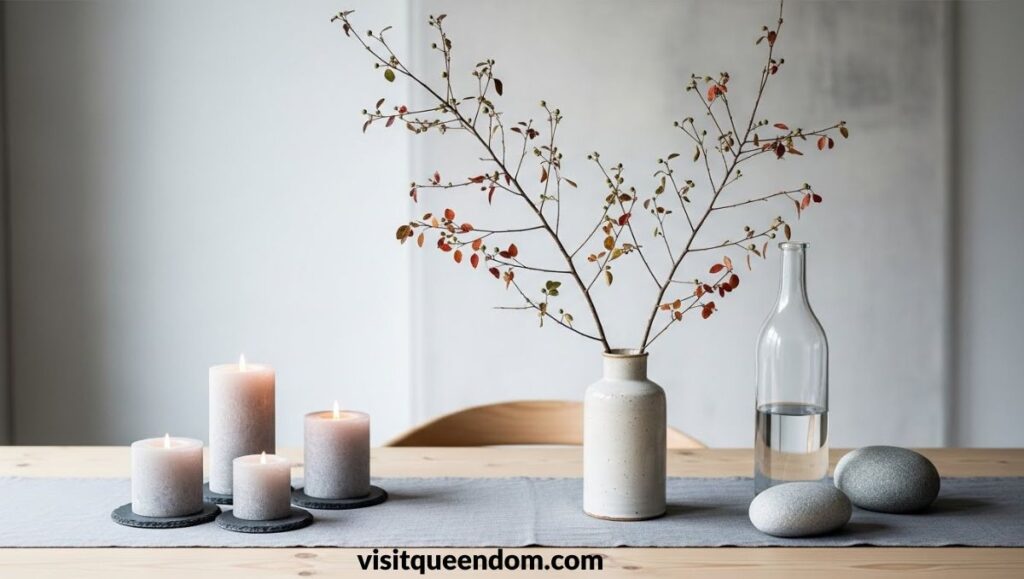
Pyntekvister, a Norwegian term that translates roughly to decorative branches, represent a timeless and versatile element in interior and exterior decoration. Rooted in Scandinavian design traditions, pyntekvister combine simplicity, nature, and functionality, making them increasingly popular in modern homes, seasonal décor, and creative styling projects. Whether used alone in a minimalist vase or incorporated into elaborate displays, decorative branches bring warmth, texture, and a strong connection to nature.
What is Pyntekvister?
Pyntekvister are branches, twigs, or small limbs collected from trees or shrubs and used purely for decorative purposes. They can be natural, dried, painted, or treated, depending on the desired aesthetic. Unlike flowers, pyntekvister focus on form, structure, and texture rather than color alone.
They are commonly sourced from trees such as birch, willow, hazel, cherry, apple, eucalyptus, or pussy willow. Each type of branch offers its own visual character, from smooth and pale to twisted and dramatic.
The Scandinavian Design Influence
Simplicity and Nature
Scandinavian design is known for clean lines, minimalism, and a deep respect for nature. Pyntekvister fits perfectly into this philosophy. Rather than overwhelming a space, they enhance it subtly by bringing the outdoors inside.
In Nordic countries, where long winters limit access to fresh flowers, decorative branches have traditionally been used to add life and interest to interiors year-round.
Function Meets Aesthetics
Pyntekvister are not just decorative. They often serve multiple purposes:
-
Holding ornaments or lights
-
Dividing visual space
-
Acting as focal points in rooms
-
Enhancing seasonal displays
This combination of beauty and practicality makes them a staple in Scandinavian homes.
Types of Pyntekvister
Natural Branches
Natural branches are used in their original form, sometimes dried but otherwise untreated. They are ideal for:
-
Rustic interiors
-
Nature-inspired themes
-
Minimalist décor
Popular natural choices include birch branches for their light color and willow branches for their soft, flowing shape.
Dried Decorative Branches
Dried pyntekvister are carefully prepared to last longer indoors. Drying preserves their shape and texture while making them lighter and easier to maintain.
They are commonly used in:
-
Long-term interior styling
-
Commercial spaces
-
Event decorations
Painted or Treated Branches
Painted branches offer a modern or artistic twist. White, black, gold, and silver are popular colors, especially for festive or contemporary interiors.
These branches work well in:
-
Modern homes
-
Holiday décor
-
Themed events
Seasonal Uses of Pyntekvister
Spring Decoration
In spring, pyntekvister symbolize renewal and growth. Branches with buds or early blossoms are especially popular.
Common spring uses include:
-
Easter decorations with hanging eggs
-
Fresh green branches in vases
-
Light, airy arrangements
Summer Styling
During summer, decorative branches are often paired with flowers or greenery. They add height and structure to floral arrangements and work well in outdoor settings.
Summer pyntekvister are often used in:
-
Garden parties
-
Weddings
-
Terraces and balconies
Autumn Atmosphere
Autumn pyntekvister focus on warm tones and natural textures. Branches with berries, seed pods, or colorful leaves help create a cozy, seasonal feel.
They are ideal for:
-
Table centerpieces
-
Entryway decorations
-
Harvest-themed displays
Winter and Holiday Décor
Winter is perhaps the most popular season for pyntekvister. Bare branches fit perfectly with Nordic winter aesthetics and can be decorated with lights, ornaments, or snow-like finishes.
They are widely used in:
-
Christmas decorations
-
Advent displays
-
Minimalist winter interiors
How to Style Pyntekvister in Your Home
Choosing the Right Vase
The vase plays a crucial role in the overall look. Tall, narrow vases suit long branches, while wider bases provide stability for heavier arrangements.
Material options include:
-
Glass for a light, modern look
-
Ceramic for warmth
-
Metal for industrial or festive styles
Placement Matters
Pyntekvister can transform a space when placed thoughtfully. Popular locations include:
-
Dining tables
-
Window sills
-
Hallway corners
-
Living room floors in large vases
Avoid overcrowding; a few well-chosen branches often make a stronger impact than many.
Combining with Other Elements
Decorative branches pair well with:
-
Fairy lights
-
Hanging ornaments
-
Ribbons or fabric
-
Dried flowers
The key is balance—branches should remain the focal point.
Pyntekvister in Events and Celebrations
Weddings
Pyntekvister are widely used in weddings, especially those with rustic, bohemian, or Nordic themes. They can be incorporated into:
-
Ceremony arches
-
Table decorations
-
Hanging installations
Their natural appearance adds elegance without excess.
Seasonal Celebrations
From Easter to Christmas, decorative branches adapt easily to different celebrations. Simply changing the ornaments or colors gives them a completely new look.
Commercial and Public Spaces
Shops, hotels, and restaurants use pyntekvister to create inviting atmospheres. They are cost-effective, reusable, and visually striking, making them ideal for seasonal displays.
Sustainability and Environmental Benefits
A Natural and Eco-Friendly Choice
One of the biggest advantages of pyntekvister is their sustainability. Many branches can be:
-
Collected responsibly from pruning or fallen trees
-
Reused year after year
-
Fully biodegradable
Compared to plastic decorations, they have a much lower environmental impact.
Supporting Slow Decoration Trends
Pyntekvister align with the growing trend of slow living and mindful decoration. Instead of constantly buying new items, decorative branches encourage creativity with what nature provides.
Caring for and Maintaining Pyntekvister
Drying and Preservation
To dry branches:
-
Remove excess leaves if desired
-
Hang them upside down in a dry, dark space
-
Allow several weeks for full drying
Once dried, they can last for years indoors.
Cleaning
Dust can accumulate over time. Use:
-
A soft cloth
-
A gentle brush
-
Low-pressure air
Avoid water on dried or painted branches.
Storage
When not in use, store pyntekvister in a dry area, wrapped lightly to prevent breakage. Proper storage ensures long-term reuse.
Why Pyntekvister Remain Popular
Pyntekvister continue to grow in popularity because they are:
-
Timeless and versatile
-
Affordable and accessible
-
Environmentally friendly
-
Easy to personalize
They suit both traditional and modern interiors and adapt effortlessly to changing seasons and trends.
Conclusion
Pyntekvister are more than just decorative branches—they are a reflection of nature, simplicity, and thoughtful design. Whether used in a minimalist Scandinavian home, a festive winter display, or a creative event setting, they bring character and calm to any environment.
By choosing pyntekvister, you embrace a decoration style that values sustainability, creativity, and timeless beauty. With minimal effort and endless possibilities, decorative branches prove that sometimes the simplest elements can make the strongest visual statement.