
The Central Staffing Scheme plays a vital role in the administrative framework of government operations, particularly in countries like India, where a structured civil service system supports governance. It is designed to facilitate the appointment of officers from various services to key positions in central government ministries and departments.
At its core, the scheme ensures that experienced and capable officers are placed in strategic roles where their expertise can contribute to policy-making, administration, and national development. It also creates opportunities for officers to gain diverse exposure beyond their parent cadres.
What Is the Central Staffing Scheme?
The Central Staffing Scheme is a structured system through which officers, primarily from All India Services and other central services, are deputed to work in the central government. These deputations are typically for a fixed tenure, allowing officers to serve in different capacities across ministries.
The scheme is managed by a central authority, often the Department of Personnel and Training (DoPT), which oversees the selection, placement, and tenure of officers. The goal is to maintain a balance between administrative efficiency and career development.
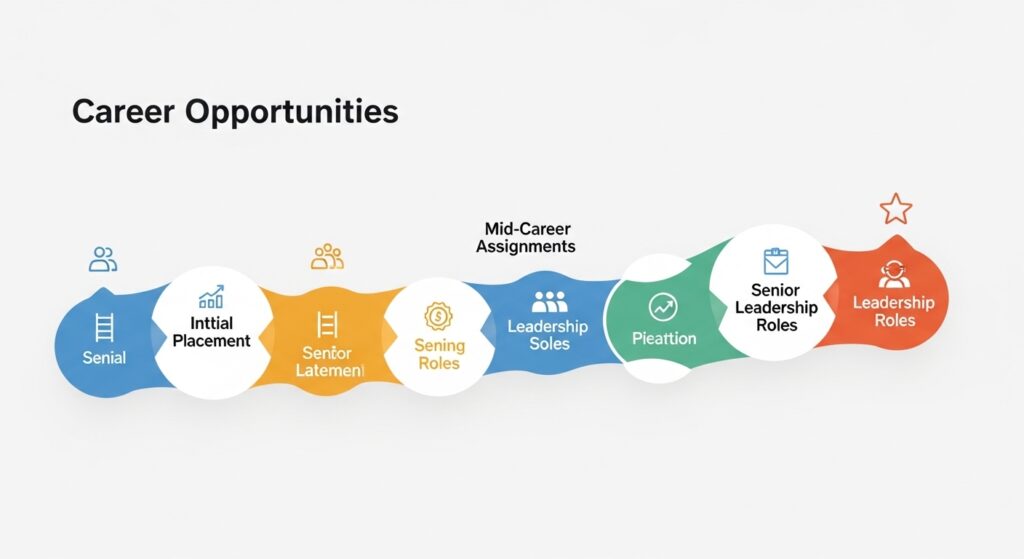
Officers working under this scheme may hold positions such as Under Secretary, Deputy Secretary, Director, Joint Secretary, and higher roles depending on their experience and seniority.
Objectives of the Central Staffing Scheme
The Central Staffing Scheme is built around several key objectives that support both governance and professional growth. One of the primary aims is to bring skilled officers into central administration, ensuring that government policies are implemented effectively.
Another important objective is to provide officers with exposure to national-level decision-making. By working in central ministries, they gain insights into broader governance challenges and policy frameworks.
The scheme also promotes uniformity and coordination across different departments. By bringing officers from diverse backgrounds together, it fosters collaboration and knowledge sharing.
Structure of the Central Staffing Scheme
The structure of the Central Staffing Scheme is carefully designed to ensure transparency and efficiency. It involves multiple stages, including nomination, selection, and appointment.
Officers are typically nominated by their respective state governments or cadre controlling authorities. Once nominated, their profiles are reviewed by the central authority, which matches them with suitable positions based on their experience and expertise.
Below is a simplified overview of the structure:
| Stage | Description |
|---|---|
| Nomination | Officers recommended by cadre authorities |
| Screening | Evaluation of qualifications and experience |
| Selection | Matching with available positions |
| Appointment | Placement in central ministry or department |
| Tenure Completion | Return to parent cadre after deputation |
This structured approach ensures that the right talent is placed in the right roles.
Eligibility Criteria for Central Staffing Scheme
To be considered under the Central Staffing Scheme, officers must meet specific eligibility criteria. These criteria are designed to ensure that only qualified and experienced individuals are selected for central roles.
Typically, officers from the Indian Administrative Service (IAS), Indian Police Service (IPS), Indian Forest Service (IFoS), and other Group A services are eligible. They must have a minimum number of years of service and a strong performance record.
In addition, officers should demonstrate leadership qualities, administrative skills, and the ability to adapt to different working environments. These qualities are essential for handling the complexities of central government roles.
Roles and Responsibilities Under the Scheme
Officers appointed through the Central Staffing Scheme take on significant responsibilities that directly impact governance. Their roles vary depending on their position and the ministry they serve in.
At the policy level, officers contribute to drafting and implementing government policies. They analyze data, prepare reports, and provide recommendations to senior officials and ministers.
At the administrative level, they oversee the execution of programs, manage resources, and ensure compliance with regulations. Their work often involves coordination with multiple departments and stakeholders.
Benefits of the Central Staffing Scheme
The Central Staffing Scheme offers numerous benefits to both officers and the government. For officers, it provides an opportunity to gain valuable experience at the national level.
Working in central ministries exposes them to complex policy issues and high-level decision-making processes. This experience enhances their professional growth and prepares them for senior leadership roles.
For the government, the scheme ensures a steady flow of skilled professionals who can handle critical responsibilities. It also promotes consistency and efficiency in administration.
Challenges in the Central Staffing Scheme
Despite its advantages, the Central Scheme is not without challenges. One of the main issues is the availability of officers willing to opt for central deputation. Some officers prefer to remain in their parent cadres due to personal or professional reasons.
Another challenge is the mismatch between available positions and the number of eligible officers. This can lead to delays in appointments and affect the functioning of departments.
Additionally, adapting to a new work environment can be difficult for some officers. The transition from state-level administration to central governance requires flexibility and a willingness to learn.
Central Staffing Scheme and Career Growth
The Central Scheme plays a crucial role in shaping the careers of civil servants. Deputation to the central government is often seen as a milestone, providing exposure to high-level administrative functions.
Officers who perform well during their tenure are more likely to be considered for senior positions in the future. The experience gained under the scheme enhances their credibility and professional reputation.
Moreover, working in different ministries allows officers to develop a broader understanding of governance, which is essential for leadership roles.
Recent Developments in the Central Staffing Scheme
In recent years, the Central Staffing Scheme has undergone several changes to improve its efficiency and effectiveness. Efforts have been made to streamline the selection process and encourage more officers to participate.
Digital platforms are being used to manage nominations and track vacancies, making the system more transparent. There is also a focus on aligning the scheme with modern governance needs, including the use of technology and data-driven decision-making.
These developments aim to strengthen the scheme and ensure that it continues to meet the evolving demands of administration.
Importance of the Central Staffing Scheme in Governance
The Central Staffing Scheme is a cornerstone of effective governance. It ensures that central ministries are staffed with capable officers who can handle complex responsibilities.
By facilitating the movement of officers between different levels of government, the scheme promotes integration and coordination. This is particularly important in a diverse and dynamic administrative system.
The scheme also supports the implementation of national policies, ensuring that they are executed efficiently and consistently across the country.
Conclusion
The Central Staffing Scheme is an essential mechanism that supports both administrative efficiency and professional development. By providing a structured pathway for officers to serve in central government roles, it strengthens the overall governance framework.
While challenges exist, ongoing reforms and improvements are helping to enhance its effectiveness. For civil servants, the scheme offers a unique opportunity to contribute to national development while advancing their careers.
In a rapidly changing world, the importance of such systems cannot be overstated. The Central Staffing Scheme continues to play a key role in shaping the future of public administration.