
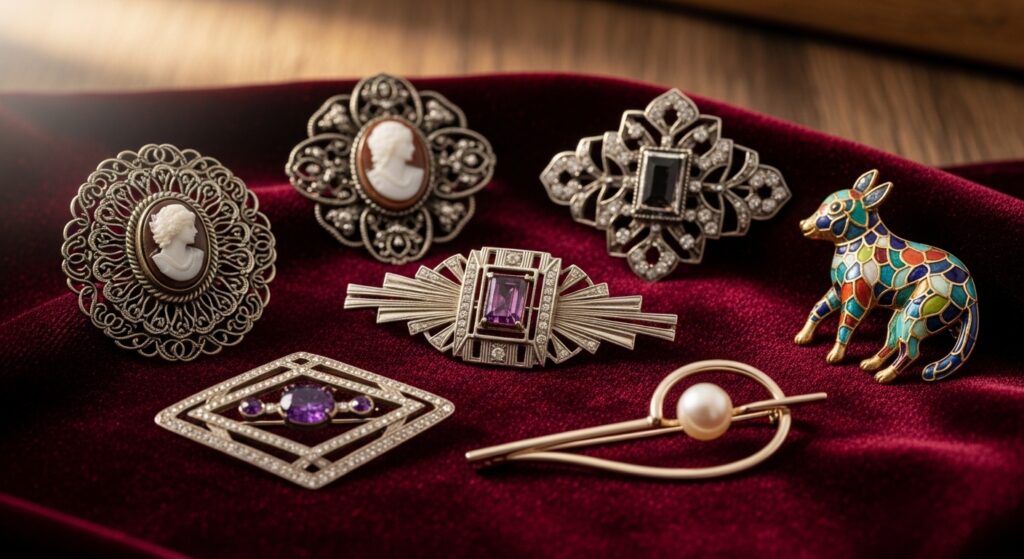
Jewelry has always been more than decoration. It carries stories, heritage, emotions, and identity. Among the many accessories that have traveled through centuries of fashion, sagės hold a unique and meaningful place. Delicate yet powerful, simple yet expressive, sagės are more than just brooches—they are symbols of style, tradition, and individuality.
From ancient garments to modern fashion runways, sagės have evolved while maintaining their charm. This article explores their history, cultural significance, styles, materials, symbolism, and how they continue to inspire contemporary fashion lovers.
What Are Sagės?
Sagės are decorative brooches traditionally worn on clothing to fasten garments or enhance an outfit. While today they are primarily ornamental, historically they served both functional and symbolic purposes.
The word “sagės” is commonly associated with Baltic culture, particularly Lithuania, where brooches have been worn for centuries as part of national costume and ceremonial dress. Over time, sagės have expanded beyond cultural attire and entered global fashion trends.
They can be small and subtle or bold and dramatic. Some are crafted in precious metals and gemstones, while others are handmade from wood, glass, fabric, or ceramic. No matter the material, sagės share one common trait: they add personality to clothing.
A Journey Through History
The story of sagės begins thousands of years ago. Ancient civilizations used brooch-like pins to fasten cloaks and tunics. In the Bronze and Iron Ages, these fasteners became increasingly decorative, reflecting craftsmanship and social status.
In Baltic regions, sagės were especially significant. They were often worn during important life events—weddings, festivals, and community gatherings. The design and size of the sagė could indicate wealth, region, or marital status.
During medieval times, brooches across Europe became ornate pieces decorated with engravings, gemstones, and religious symbols. They were not only fashion accessories but also treasured heirlooms passed from generation to generation.
As clothing evolved and buttons replaced functional brooches, sa-gės transitioned into decorative art pieces. Their purpose shifted from necessity to expression.
Cultural Significance of Sagės
Sagės are deeply rooted in Baltic heritage. In traditional Lithuanian attire, for example, brooches were often worn on shawls or vests to hold fabric in place. The designs frequently included:
-
Sun motifs
-
Floral patterns
-
Geometric shapes
-
Ancient protective symbols
These elements were not random decorations—they carried meaning. The sun symbolized life and energy, while floral patterns represented growth and harmony.
Even today, sagės are worn during national celebrations and cultural festivals. They connect modern generations with their ancestry and preserve artistic traditions.
Beyond Lithuania, brooches in general have cultural significance worldwide. Scottish clans wore brooches to fasten tartans. Nordic cultures used ornate pins to secure cloaks. In each region, these accessories reflected local craftsmanship and beliefs.
Types and Styles of Sagės
One of the reasons sagės remain popular is their versatility. There is a style for every personality and occasion.
Traditional Sagės
These are inspired by historical designs and often crafted from silver or bronze. They may feature intricate filigree work or symbolic engravings.
Modern Minimalist Sagės
Contemporary designers have embraced simplicity. Sleek geometric shapes, clean lines, and subtle metallic finishes make these sa-gės ideal for everyday wear.
Statement Sagės
Bold, oversized pieces designed to stand out. These may incorporate colorful stones, abstract shapes, or artistic designs. They transform a simple outfit into something memorable.
Handmade and Artisan Sagės
Crafted by independent artists, these brooches may include natural materials like wood, resin, clay, or textile. Each piece feels personal and unique.
Vintage and Antique Sagės
These carry historical charm and often showcase detailed craftsmanship that is difficult to replicate today. Many collectors treasure them as valuable keepsakes.
Materials Used in Sagės
The beauty of sagės lies in the diversity of materials used to create them.
-
Silver and Gold: Traditional and elegant choices, often used in ceremonial designs.
-
Bronze and Copper: Offer a warm, rustic appearance.
-
Gemstones: Add luxury and color.
-
Enamel: Provides vibrant artistic detailing.
-
Wood and Resin: Perfect for eco-conscious and modern designs.
-
Textile and Beads: Soft, creative, and often handmade.
The material not only affects the appearance but also the emotional value of the piece. Precious metals may signify importance, while handmade wooden sa-gės often reflect creativity and individuality.
How to Wear Sagės in Modern Fashion
One of the most exciting aspects of sa-gės is their adaptability. They are no longer limited to traditional clothing.
Here are creative ways to wear them:
On Jackets and Blazers
A brooch pinned to a blazer lapel adds instant sophistication and personality.
On Scarves
Secure a scarf while adding decorative flair.
On Dresses
Place a sagė near the shoulder or waist for a vintage-inspired touch.
On Hats and Bags
Modern fashion lovers often pin brooches to berets, felt hats, or handbags for a playful statement.
On Sweaters
Add texture and dimension to cozy winter outfits.
The beauty of sagės is that there are no strict rules. They invite experimentation and personal expression.
Sagės as Personal Expression
Jewelry often reflects identity. Sag-ės are especially expressive because they are visible and customizable. A single brooch can communicate elegance, rebellion, nostalgia, or creativity.
For example:
-
A floral sagė may symbolize romance.
-
A geometric metal piece may convey modern minimalism.
-
A vintage heirloom may represent family history.
In a world of fast fashion, sa-gės offer something meaningful and lasting. They allow wearers to stand out rather than blend in.
The Emotional and Symbolic Value
Sag-ės are often gifted during meaningful moments—birthdays, graduations, weddings, or anniversaries. Because they can last a lifetime, they become sentimental keepsakes.
Heirloom sa-gės passed down through generations carry stories. They remind families of ancestors and shared traditions. Unlike many accessories that fade with trends, sagės hold emotional weight.
Their symbolic value also makes them powerful gifts. A carefully chosen brooch can express appreciation, love, or respect tangibly.
Sustainability and Handmade Revival
As consumers grow more conscious of sustainability, interest in artisan-crafted sagės has increased. Handmade jewelry supports small businesses and reduces mass production’s environmental impact.
Many designers now create sa-gės from recycled metals or eco-friendly materials. This shift aligns tradition with modern ethical values.
Choosing a handcrafted sagė not only supports creativity but also preserves cultural artistry.
Sagės in Contemporary Art and Design
Modern designers have reimagined sagės beyond traditional forms. Some treat them as miniature sculptures. Others experiment with mixed media, combining metal, fabric, and glass.
Fashion runways frequently feature brooches as bold statements. Designers layer multiple sagės on coats or dresses to create dramatic effects.
In art galleries, contemporary jewelry artists showcase brooches as wearable art. These pieces blur the line between accessory and artistic expression.
Caring for Sagės
To maintain their beauty, sagės require proper care.
-
Store them separately to avoid scratches.
-
Clean metal pieces with a soft polishing cloth.
-
Keep them away from moisture if made from wood or textile.
-
Avoid harsh chemicals or perfumes directly on the surface.
With careful maintenance, sagės can last for decades—or even centuries.
Why Sagės Remain Timeless
Trends come and go, but sages endure. Their longevity lies in their versatility and emotional depth. They can be traditional or modern, subtle or bold, personal or ceremonial.
In an age where fashion often feels disposable, sagės represent something enduring. They carry history, artistry, and identity in a small but powerful form.
Wearing a sagė is not simply about accessorizing—it is about telling a story. It connects the present to the past and transforms clothing into a canvas for expression.
Final Thoughts
Sagės are more than decorative pins. They are timeless symbols of culture, creativity, and individuality. From ancient Baltic traditions to modern fashion statements, they have maintained their relevance through centuries of change.
Whether chosen for heritage, elegance, or artistic flair, sagės offer something deeply human: a way to express who we are without saying a word. Their beauty lies not only in craftsmanship but also in meaning.