Wildlife conservation is a complex task that requires cooperation between national authorities, local communities, landowners, and environmental experts. In Norway, one of the most important local institutions involved in this work is Viltnemnda, a municipal wildlife management committee. Although often working behind the scenes, Viltnemnda plays a critical role in balancing ecological sustainability, legal hunting practices, and the interests of society.
What Is Viltnemnda?
Viltnemnda is a municipal wildlife committee established under Norwegian law to manage wild animal populations at the local level. Each municipality in Norway is required to appoint a Viltnemnda or assign its responsibilities to an existing political committee. The term “viltnemnd” directly translates to “wildlife committee.”
The committee acts as a bridge between national environmental policies and local realities. While overarching wildlife laws are set by the Norwegian government, Viltnemnda ensures these regulations are applied effectively within each municipality.
Legal Foundation and Authority
Viltnemnda operates under the Norwegian Wildlife Act (Viltloven) and related regulations issued by the Ministry of Climate and Environment. These laws define how wildlife should be managed, protected, and utilized sustainably.
The committee has delegated authority from the municipality and works in cooperation with:
-
County governors (Statsforvalteren)
-
National environmental agencies
-
Local landowners and hunting associations
-
Police and animal welfare authorities
Although Viltnemnda does not create laws, it has significant influence in interpreting and implementing them at the local level.
Composition and Organization of Viltnemnda
Membership Structure
Viltnemnda is typically composed of elected or appointed municipal representatives. Members often include individuals with experience or interest in:
-
Wildlife biology
-
Hunting and land management
-
Environmental protection
-
Agriculture and forestry
This diverse composition ensures that decisions are informed by both ecological knowledge and local socio-economic conditions.
Term Length and Accountability
Members are appointed for a fixed term, usually aligned with the municipal election cycle. Viltnemnda is accountable to the municipal council, which oversees its work and ensures compliance with national regulations.
Core Responsibilities of Viltnemnda
Viltnemnda’s responsibilities are broad and multifaceted, covering both conservation and sustainable use of wildlife resources.Wildlife Population Management
One of the primary roles of Viltnemnda is to monitor and manage wildlife populations within the municipality. This includes species such as moose, deer, reindeer, roe deer, and certain predators.
The committee:
-
Assesses population sizes and trends
-
Recommends population targets
-
Evaluates ecological impacts on forests and agriculture
The goal is to maintain healthy populations that ecosystems can support without causing excessive damage to crops, forests, or infrastructure.
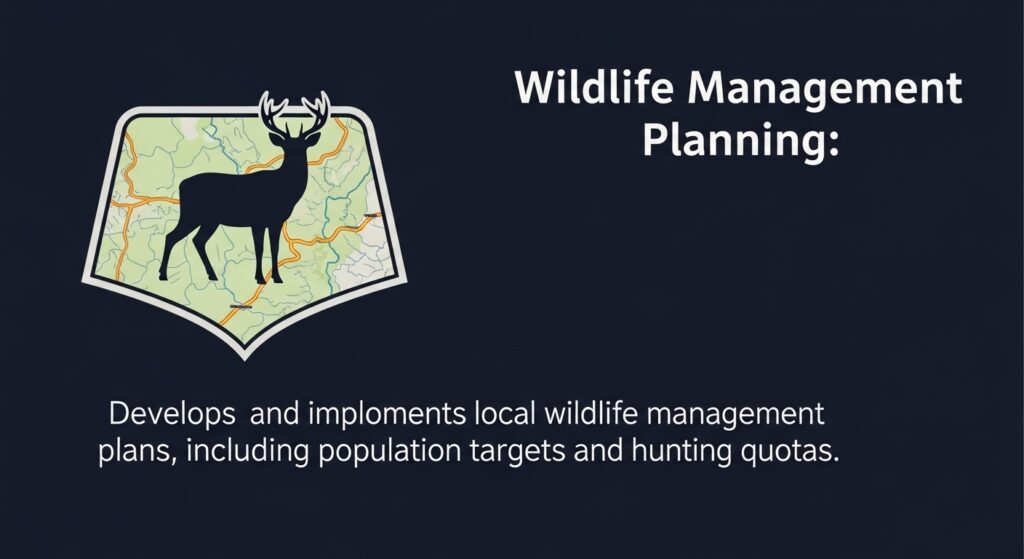
Hunting Regulation and Quotas
Hunting is a legal and culturally significant activity in Norway, but it must be carefully regulated. Viltnemnda plays a central role in this process.
Key tasks include:
-
Proposing annual hunting quotas
-
Approving hunting areas and licenses
-
Ensuring hunting follows ethical and legal standards
By setting quotas based on scientific data and local observations, Viltnemnda helps prevent overhunting while allowing sustainable use of wildlife resources.
Handling Wildlife Damage and Conflicts
Human–wildlife conflict is an unavoidable challenge, particularly in rural areas. Animals may damage crops, forests, or pose risks to traffic and public safety.
Viltnemnda is responsible for:
-
Assessing reports of wildlife damage
-
Recommending preventive measures
-
Coordinating compensation schemes where applicable
In some cases, the committee may authorize protective or emergency culling when animals pose immediate danger.
Management of Injured and Dangerous Wildlife
When wildlife is injured in traffic accidents or becomes dangerous due to illness or abnormal behavior, Viltnemnda often coordinates the response.
This includes:
-
Working with local wildlife response teams
-
Contacting veterinarians or trained hunters
-
Ensuring humane handling or euthanasia when necessary
These actions protect both animal welfare and public safety.
Role in Predator Management
Large Carnivores and Controversy
Predator management is one of the most sensitive areas of Viltnemnda’s work. Species such as wolves, bears, lynx, and wolverines are protected under national and international regulations, yet they can also impact livestock and local livelihoods.
Viltnemnda contributes by:
-
Collecting data on predator presence
-
Reporting damages to livestock
-
Participating in consultations on population targets
Although final decisions on predator culling are made at higher levels, Viltnemnda’s local knowledge is crucial.
Balancing Protection and Local Interests
The committee must balance conservation goals with the realities faced by farmers, reindeer herders, and rural communities. This requires transparent communication, evidence-based recommendations, and trust-building.
Data Collection and Monitoring
Accurate data is the foundation of effective wildlife management. Viltnemnda actively participates in collecting and analyzing local data.
Sources of Information
Data used by the committee includes:
-
Hunter reports and harvest statistics
-
Field observations and tracking
-
Traffic accident records involving wildlife
-
Reports from landowners and residents
This information is shared with regional and national authorities to support broader conservation strategies.
Collaboration with Stakeholders
Cooperation with Hunters
Hunters are key partners in wildlife management. Viltnemnda works closely with hunting associations to ensure ethical practices and accurate reporting.
This collaboration helps:
-
Improve data quality
-
Promote safety and responsibility
-
Strengthen compliance with regulations
Engagement with Landowners and Farmers
Since much wildlife habitat exists on private land, cooperation with landowners is essential. Viltnemnda facilitates dialogue to address concerns about grazing, forestry damage, and land use.
Public Information and Education
Viltnemnda also has an educational role. By informing the public about wildlife regulations, conservation goals, and safety measures, the committee helps build understanding and acceptance of wildlife policies.
Importance of Viltnemnda in Conservation
Local Knowledge and Adaptation
National policies alone cannot address the unique ecological conditions of every region. Viltnemnda brings local knowledge into decision-making, allowing conservation strategies to be adapted to specific landscapes and species.
Promoting Sustainable Use
Rather than focusing solely on protection, Viltnemnda promotes sustainable use of wildlife. This approach recognizes that responsible hunting and management can coexist with conservation goals.
Strengthening Democratic Participation
By operating at the municipal level, Viltnemnda enhances democratic involvement in environmental governance. Local representatives have a voice in decisions that directly affect their communities.
Challenges Faced by Viltnemnda
Conflicting Interests
Balancing conservation, economic interests, and cultural traditions is never simple. Disagreements between hunters, environmental groups, farmers, and authorities are common.
Limited Resources
Many Viltnemnda committees operate with limited budgets and rely heavily on volunteer effort. This can restrict monitoring activities and long-term planning.
Climate Change and New Pressures
Climate change is altering habitats, migration patterns, and species behavior. Viltnemnda must adapt to these changes, often with limited historical data to guide decisions.
Future of Viltnemnda and Wildlife Management
As environmental challenges grow more complex, the role of Viltnemnda is likely to become even more important.
Future developments may include:
-
Greater use of digital monitoring tools
-
Stronger integration of scientific research
-
Increased public participation and transparency
-
Enhanced cooperation across municipal borders
By evolving with changing conditions, Viltnemnda can continue to serve as a cornerstone of local conservation efforts.
Conclusion
Viltnemnda is a vital yet often overlooked institution in wildlife conservation. Through its work in population management, hunting regulation, conflict resolution, and stakeholder collaboration, it ensures that wildlife is managed responsibly and sustainably at the local level.
By combining national policy with local knowledge, Viltnemnda demonstrates how decentralized governance can effectively support conservation goals. Understanding its roles and responsibilities not only highlights its importance in Norway but also offers valuable lessons for wildlife management systems worldwide.